Victoria
Geelong, Ballarat and Bendigo
Three regional cities close enough to Melbourne that drivers regularly run between them and the metro. Useful for Victorian reach without paying for the whole state.
Coverage
The network that reaches cities, suburbs and towns.
Availability
We will confirm how many vehicles we can put on those streets.
Live driver map
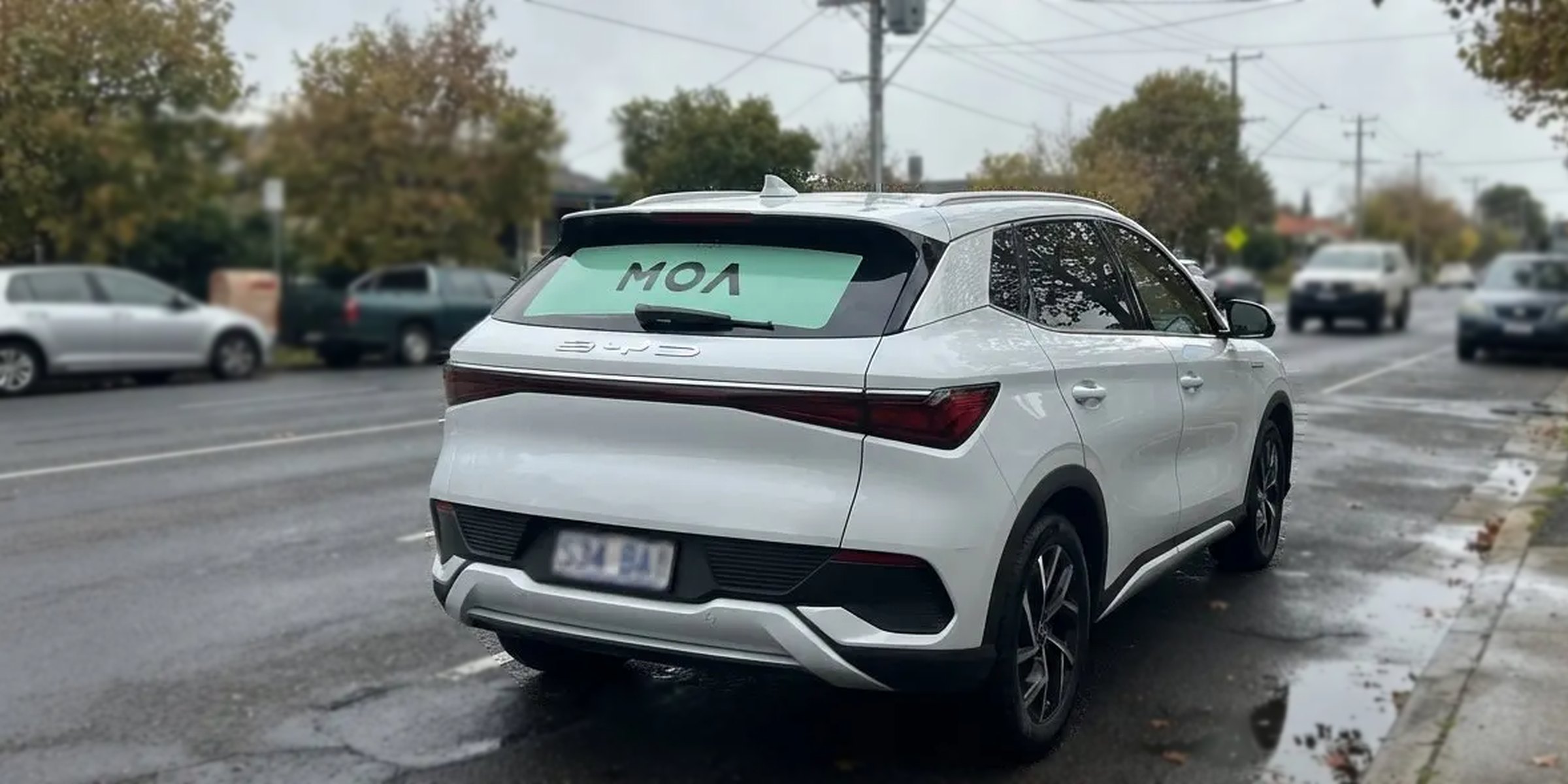
Not a mock up and not a sales map. Every car currently carrying an ad, the suburb it is based in, and a photo of the vehicle itself.
Have a look before you talk to anyone. If your suburb is covered, you will see it there.
Opens in a new tab. Updates as drivers log their trips.
Where MOA drives
South Australia
Our home network and the deepest fleet coverage in the country.
Victoria
Heavy tram corridor exposure inner city, growing capacity in the growth corridors.
41.26 km logged commute, 13,168 exposure points.
New South Wales
Long trips and dense traffic make this the highest exposure score per vehicle.
15.3 km logged commute, 28 points of interest.
Queensland
Spread out suburbs and long commutes mean high kilometre counts per driver.
38.8 km logged commute, 12,010 exposure points.
Western Australia
Freeway heavy routes and strong EV uptake, good for an electric fleet mix.
26.31 km logged commute, POI score 90.
ACT
Compact market with predictable commuter corridors.
21.94 km logged commute, town centre to town centre.
Queensland
Tourism traffic layered over local commuting along the coastal strip.
14.5 km logged commute, 33 points of interest.
New South Wales
Regional reach at metro pricing across the Hunter.
35.24 km logged commute, our highest POI score at 90.
Tasmania
A small fleet delivers unusually high frequency against the whole metro.
12.99 km logged commute, 35 points of interest.
New South Wales
Escarpment on one side, ocean on the other. Everyone shares the same road.
30.99 km logged commute, 8,942 exposure points.
Outside these ten? See regional coverage.
Why location matters
Static outdoor asks you to buy a location and hope the right people pass it. Pick the suburbs where your customers live and shop, and the ads travel those streets all day.
Everywhere else
These areas have driver capacity but not yet a network deep enough for a page of its own. Numbers move month to month, so the honest answer is always to ask.
Victoria
Three regional cities close enough to Melbourne that drivers regularly run between them and the metro. Useful for Victorian reach without paying for the whole state.
Queensland
The Sunshine Coast behaves like the Gold Coast, a long coastal strip with one main road. Toowoomba anchors the Darling Downs and sits on the freight route west.
North Queensland
Compact centres where a small fleet reaches a large share of the population, and where visitor traffic layers over local commuting through the dry season.
Northern Territory
A small, concentrated market with predictable corridors. Modest vehicle counts deliver high frequency against effectively the whole metro population.
New South Wales
Long commutes into Sydney and Newcastle, which means high kilometre counts per driver and coverage that spills into two metro networks.
Anywhere else
New suburbs open every month, and advertiser demand decides where we recruit next. If your area is not listed, saying so is what puts it on the list.
Get started
Tell us your business and target suburbs. Seven years in traffic advertising, and a campaign tailored to any size brand.
We will confirm availability and pricing within one business day.